Buying a Plot in Raipur? 7 Things to Check Before Choosing a Project Like Silver Oak Raipur
Buying a plot is an important decision, whether you are planning to build your dream home or looking for a long-term property investment. With different residential projects available, choosing the right plot in Raipur requires more than comparing prices and locations. You need to understand the project's infrastructure, documentation, connectivity, surrounding development, and the facilities available within the community.
Raipur has become an important residential destination in Chhattisgarh, attracting families, working professionals, and property buyers looking for a place to build their future. However, not every project offers the same level of development or convenience. Some plots are located in developing areas where infrastructure is still taking shape, while others are part of established residential communities with roads, utilities, and amenities already in place.
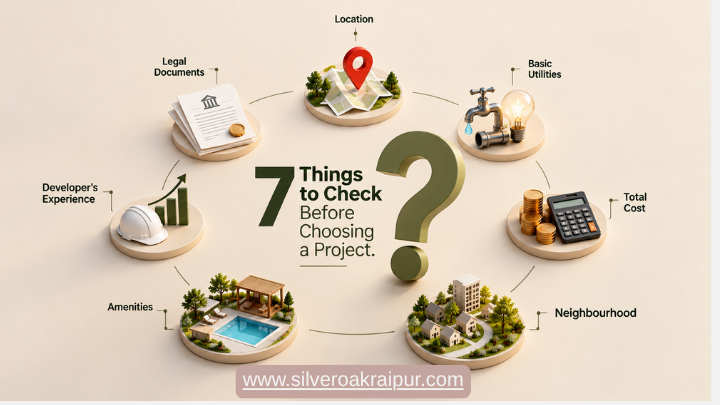
Before investing in plots in Raipur, it is important to look beyond the initial price and understand what you are actually getting. Here are seven essential things to check before making your final decision.
1. Check the Location and Its Connectivity
Location is one of the most important factors when buying a residential plot. A property may look attractive on paper, but its actual value to you depends on how conveniently it connects with the places you visit regularly.
Start by checking the distance from your workplace, schools, hospitals, grocery stores, public transport, and other essential services. If you are purchasing a plot to build your permanent home, think about your family's everyday routine. A location that saves time on daily travel can make a noticeable difference to your lifestyle.
You should also evaluate the surrounding road network. Check whether the approach road is wide enough, whether the internal roads are accessible, and how easily you can reach the main roads from the project.
Do not rely only on a location map or the distance mentioned in promotional material. Visit the site and travel the route yourself. If possible, check the area at different times of the day to understand traffic conditions and accessibility.
It is also useful to observe nearby residential development, commercial activity, and the availability of basic services. These details can help you decide whether the location suits your current needs and future plans.
2. Verify the Legal Documents and Project Approvals
Before paying an advance or signing an agreement, verify the legal status of the plot and the project. This step is essential because a property's appearance and marketing material cannot establish that it is legally suitable for your intended use.
Ask the developer or seller for the relevant property documents. Depending on the project, these may include the title documents, land ownership records, approved layout plan, applicable development permissions, and other required approvals.
You should also check whether the plot is designated for residential use and whether any restrictions apply to construction. If the project is part of a larger residential layout, verify that the layout has received the approvals required under applicable rules.
For a property in Raipur, confirm the applicable requirements with the relevant local authority. You can also consult an independent property lawyer to review the documents before completing the transaction.
If you are considering a loan, speak with your bank or housing finance provider about the property's eligibility for financing. However, do not treat loan eligibility alone as a substitute for independent legal verification.
Be careful if a seller avoids sharing documents, pressures you to make an immediate payment, or provides unclear answers about ownership and approvals. Taking time to verify the paperwork can help you make a more informed decision.
3. Inspect the Infrastructure and Basic Utilities
The price of a plot is only one part of the overall cost of building a home. The infrastructure available within and around the project can influence your construction expenses, convenience, and long-term living experience.
Before selecting a plot, check the condition of the internal roads, drainage system, water supply, electricity connections, and street lighting. Find out whether these facilities are already operational or are still planned for a later phase.
Water availability deserves particular attention. Ask about the source of water, the arrangements for supply, and any relevant maintenance responsibilities. Similarly, inspect the drainage system to understand how wastewater and rainwater are managed.
Visit the site after rainfall, if practical, to observe waterlogging or drainage concerns. Also check whether the roads are properly developed and whether construction materials or unfinished infrastructure could affect access.
If the project advertises additional facilities such as security systems, landscaped gardens, or recreational spaces, ask whether they are currently functional and included in the purchase terms.
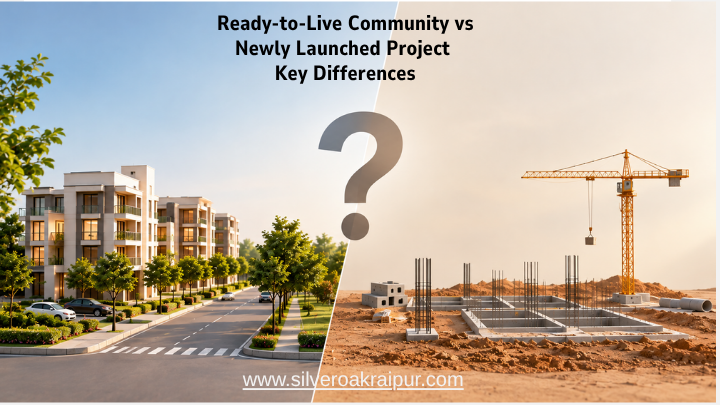
A project with developed infrastructure may offer greater clarity about the practicalities of building and living there. In contrast, an undeveloped plot may require you to investigate additional costs and timelines for essential services.
The important point is to distinguish between facilities that are available today and those that are merely proposed.
4. Understand the Total Cost, Not Just the Plot Price
A plot that appears affordable at first may involve additional expenses that affect your total budget. Before making a decision, prepare a complete estimate of the costs associated with purchasing and developing the property.
Begin with the quoted plot price. Then ask about registration charges, stamp duty, applicable taxes, documentation expenses, and any other charges relevant to the transaction.
Next, consider the cost of preparing the plot for construction. Depending on the site, you may need to account for soil testing, levelling, boundary walls, utility connections, and other preparatory work.
If you plan to build a home immediately, include the estimated construction cost in your financial planning. Consider architectural design, building permissions, labour, materials, and the time required to complete the house.
You should also understand whether the project has any recurring maintenance charges or community-related expenses. If amenities are available, clarify how their maintenance is funded and whether any separate fees apply.
Ask the seller for a written breakdown of the payment schedule and all applicable charges. Avoid making financial decisions based only on verbal assurances.
Comparing properties on the basis of their total cost gives you a more realistic picture of affordability. It also helps you avoid situations where an initially lower plot price is offset by additional development expenses.
5. Evaluate the Surrounding Neighbourhood and Existing Development
The neighbourhood around your plot can influence your everyday comfort and the suitability of the property for your long-term plans.
When visiting a project, look beyond its boundary. Observe the surrounding residential areas, road conditions, nearby shops, essential services, and general cleanliness. Check whether the area has an established population or is still in the early stages of development.
If you are buying a plot to construct a family home, consider whether the neighbourhood meets your lifestyle requirements. Families may prioritise schools, healthcare facilities, parks, and convenient access to daily necessities. Buyers planning to move in later may be more interested in the area's development progress and infrastructure plans.
Ask about the availability of public transport and the routes connecting the location to important parts of Raipur. Verify travel times yourself instead of relying entirely on estimated distances.
It is also worth visiting the neighbourhood during the evening. This can help you assess street lighting, accessibility, activity levels, and the overall environment.
An established residential community may provide a clearer understanding of how the area functions in everyday life. However, do not assume that an established neighbourhood automatically guarantees future price appreciation. Property values depend on several factors, including demand, infrastructure, local development, and broader market conditions.
Choose a location based on practical suitability rather than unverified promises about future returns.
6. Check Security, Amenities, and Community Facilities
A residential plot is not just a piece of land. If you plan to build a home for your family, the wider residential environment can be just as important as the plot itself.
Check whether the project offers boundary walls, gated entry, security personnel, CCTV surveillance, or other security arrangements. Ask how these systems operate and who is responsible for maintaining them.
Next, evaluate the amenities available within the project. Depending on your needs, useful facilities may include gardens, walking areas, children's play spaces, sports facilities, a clubhouse, or a swimming pool.
However, do not select a project simply because it advertises a long list of amenities. Consider which facilities your family will actually use and whether they are already developed and accessible.
You should also understand the maintenance arrangements. Ask who manages the common areas, how maintenance expenses are collected, and whether residents have any responsibilities for shared facilities.
If the project is already occupied, observe how the common spaces are maintained and whether the internal environment appears organised. You may also ask about the community's operating arrangements and speak with existing residents, where possible.
A well-planned residential environment can make daily life more convenient and provide access to facilities that may be difficult or expensive to create independently.
7. Research the Developer's Experience and Track Record
The developer plays an important role in the overall buying experience. From project planning and infrastructure development to documentation and handover, the developer's approach can affect how smoothly the process moves forward.
Before choosing a project, research the company's background and experience in real estate. Look for information about its previous developments, project completion history, and the quality of its delivered work.
If possible, visit completed projects rather than relying entirely on brochures, online advertisements, or sales presentations. Observe the roads, common areas, infrastructure, and general maintenance. These details may help you understand the developer's approach to project execution.
Ask specific questions about the project you are considering. What infrastructure has already been completed? Which facilities are currently operational? What documents will be provided during the transaction? Are there any pending development activities?
A transparent developer should be willing to explain the project's features, applicable charges, documentation process, and limitations clearly.
You should also check the sale agreement carefully and confirm that all important commitments are documented. Do not assume that a developer's experience removes the need for independent legal verification.
Choosing a developer with a verifiable track record can help you evaluate the project more confidently, but the final decision should still be based on the property's documents, condition, location, and suitability for your needs.
Questions to Ask Before Buying a Plot in Raipur
Once you have shortlisted a project, use the following questions to guide your site visit and discussions with the seller.
Are the ownership documents and required project approvals available for independent verification?
Is the layout approved for the intended residential use?
Are the internal roads, drainage, water supply, and electricity arrangements completed?
What is the total cost, including registration and other applicable charges?
Which amenities are already available, and which are still planned?
What are the maintenance charges and responsibilities?
How accessible is the project from major roads and everyday services?
What is the developer's record of completing and maintaining residential projects?
Are there any restrictions on construction or requirements that could affect my plans?
Take notes during your visit and compare answers across the projects you are considering. Written information is more useful than verbal assurances when you need to make a financial commitment.
Conclusion: Choose a Residential Project That Matches Your Long-Term Needs
Buying a plot requires careful evaluation of location, legal documentation, infrastructure, total cost, neighbourhood development, amenities, and the developer's experience. Looking at all seven factors together can help you make a more informed decision instead of choosing a property based only on price or promotional claims.
For buyers exploring plots in Raipur, Silver Oak Raipur offers residential plots within a developed residential campus at Dhansuli, near Vidhan Sabha Road. The project also features residential bungalows and community amenities designed to support a comfortable living environment.
With its focus on planned residential development and the experience associated with its real estate legacy, Silver Oak Raipur is an option worth exploring for buyers who prefer to assess a residential project with developed infrastructure and community facilities. Prospective buyers should visit the site, review the applicable approvals and property documents independently, and confirm the current availability, pricing, and features directly with the project team.
Ultimately, the right plot is one that fits your budget, construction plans, family requirements, and long-term expectations. Taking the time to check the details before purchasing can help you move forward with greater clarity and confidence.