Planning to Buy Property in Raipur in 2027? Here's What You Should Know Before You Start
Buying a property is a major financial decision. Whether you are planning to purchase your first home, invest in a residential plot, or move your family into a bigger house, you probably have several questions before taking the next step.
How much budget should you keep aside? Which location in Raipur should you consider? Is it better to buy a plot or a ready bungalow? What documents should you check? And how do you know whether a residential project is actually worth your money?
If buying property in Raipur is on your list for 2027, these are the questions you should start addressing before visiting projects or speaking with property developers.
Raipur offers different residential options for homebuyers, including apartments, independent houses, residential plots, and bungalows in planned communities. Instead of rushing into a purchase based on advertisements or attractive prices, it helps to understand your requirements and evaluate your options carefully.
Here is a practical guide to help you prepare for your property purchase in 2027.
1. First, Decide What Kind of Property You Actually Need
One of the first questions you should answer is: what type of property are you looking for?
Many buyers start searching for properties without deciding whether they want a plot, an apartment, or a ready-to-live bungalow. This can make the search confusing because each option serves a different purpose.
If you want to construct a home according to your preferences, buying a residential plot may be suitable. You can plan the layout, number of rooms, interiors, and construction schedule according to your requirements, subject to applicable building regulations.
If you want to move into a home without managing the entire construction process, a ready bungalow may be worth considering. It can save you the time and coordination involved in building a house from the beginning.
An apartment may be more suitable if you prefer a compact living arrangement with shared facilities and fewer individual property maintenance responsibilities.
Before making a choice, consider your family size, lifestyle, budget, and how soon you want to move.
A useful approach is to write down your three most important requirements. For example, you may prioritise privacy, a convenient location, and sufficient space for your family. This will help you shortlist properties that genuinely meet your expectations.
2. How Much Budget Should You Keep Aside?
The advertised property price is not necessarily the total amount you will spend.
This is one of the most common concerns among property buyers, especially first-time buyers who may not be familiar with all the expenses involved in purchasing a home.
Apart from the basic property cost, you may need to account for:
Stamp duty and registration charges.
Applicable taxes and documentation expenses.
Home loan processing and other financing charges.
Legal verification and professional consultation fees.
Interior work, furniture, and electrical fittings.
Utility connections and other applicable expenses.
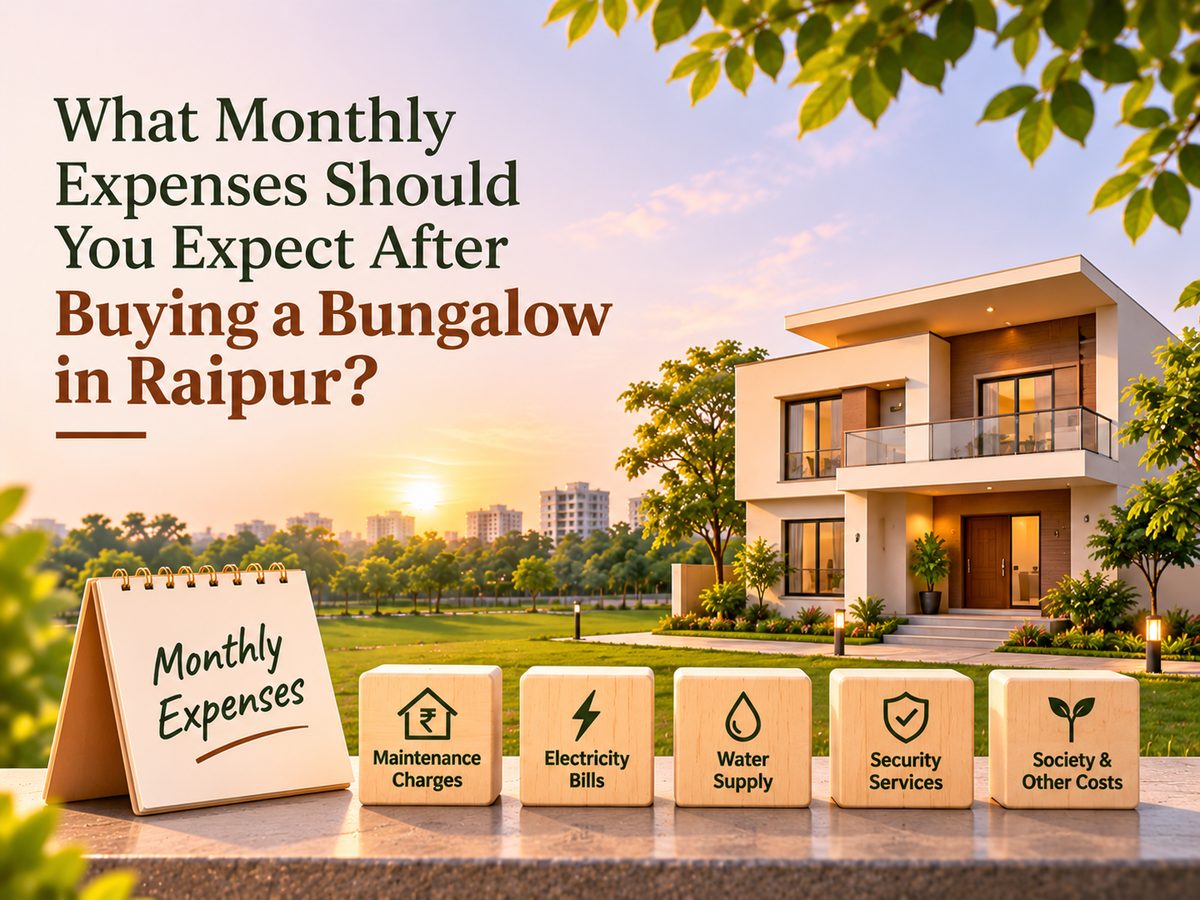
Maintenance charges, where applicable.
If you are purchasing a plot, remember to include the future construction budget in your financial planning. The cost of building a house can vary depending on its size, design, materials, labour, and specifications.
If you are purchasing a bungalow, check whether the quoted price includes the fittings, parking, and other features you expect.
It is also important to avoid using all your savings for the purchase. Keep an emergency fund for unexpected expenses and future financial commitments.
Before finalising a property, ask the developer or seller for a written cost breakdown. Comparing the complete purchase cost across different projects will give you a more realistic understanding of affordability.
3. Should You Buy a Plot or a Ready Bungalow?
This is another important question for people planning to buy property in Raipur.
Both options have advantages, but the right choice depends on your priorities.
Buying a residential plot
A plot gives you the opportunity to build a home based on your preferences. You can decide the layout, room arrangements, number of floors, and design, subject to local construction rules and approvals.
However, you need to plan the construction process separately. This involves selecting an architect or contractor, arranging finances, obtaining necessary permissions, purchasing materials, and monitoring the work.
It can be a suitable choice if you have a clear construction plan and are comfortable managing the process.
Buying a ready bungalow
A ready bungalow may be a better option if you want to avoid coordinating an entire construction project.
You can inspect the actual property, understand its layout, assess the available facilities, and plan your move based on its possession status.
However, you should still inspect construction quality, verify the legal documents, and understand maintenance responsibilities.
Which one should you choose?
If personalisation and construction flexibility matter most, consider a plot. If convenience and a more immediate move-in option are your priorities, explore ready bungalows.
Do not make the decision based only on the initial price. Consider the total cost, time, effort, and responsibilities associated with each option.
4. Which Location in Raipur Should You Consider?
A property may look attractive in a brochure, but will its location work for your everyday life?
Before choosing a residential location, think about the places you and your family visit regularly. These may include your workplace, children's school, hospitals, grocery stores, shopping areas, and relatives' homes.
Check the actual travel distance and road connectivity. A location that appears close on a map may involve a longer commute because of traffic or road conditions.
You should also examine the surrounding neighbourhood. Are there residential developments nearby? Are essential services accessible? Are the approach roads developed? Is the area convenient to visit during the evening?
If you are considering a developing location, understand the existing infrastructure and distinguish it from facilities that are only proposed.
For example, if a project advertises future road development or nearby commercial facilities, ask for reliable information instead of assuming that these developments will be completed within a particular period.
It is always a good idea to visit the property yourself. Travel to the location from your home or workplace and evaluate how convenient it would be for your family.
A suitable location should meet your practical requirements today, not just sound promising for the future.
5. What Documents Should You Check Before Buying?
Never make a property purchase based only on a brochure, advertisement, or verbal assurance.
Legal verification is one of the most important steps in the buying process. Before paying a booking amount or signing an agreement, ask for the relevant property documents.
Depending on the property and development, these may include:
Ownership and title documents.
Relevant land records.
Approved layout plans.
Applicable development and building permissions.
Documents relating to land use.
Sale agreement and payment terms.
Any other approvals required under applicable regulations.
If you are buying a bungalow within a residential project, check the approvals relevant to the project as well as the specific property.
Read the agreement carefully. Understand what is included in the purchase price, the payment schedule, possession terms, additional charges, and the responsibilities of both parties.
If you are purchasing a property in a larger residential development, clarify the status of common facilities and infrastructure.
It is advisable to have an independent property lawyer review the documents before completing the transaction. If you are applying for a home loan, separately confirm the lender's documentation requirements.
Taking time for verification can help you identify potential issues before making a major financial commitment.
6. Is the Residential Project Actually Ready for Living?
A common mistake buyers make is assuming that every facility mentioned in a project brochure is already available.
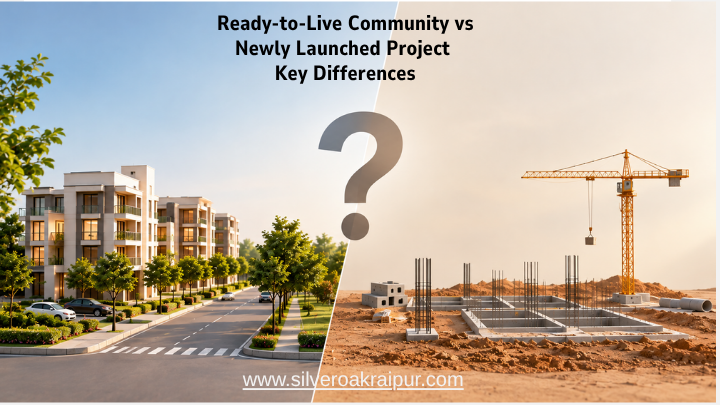
Some projects may have completed roads and basic infrastructure, while others may still be developing essential facilities. This difference can influence your living experience.
During a site visit, check the following:
Internal roads: Are the roads developed, accessible, and suitable for everyday movement?
Water supply: What is the source of water, and how is the supply managed?
Electricity: Are the required electricity arrangements available?
Drainage: Is there a functional drainage and wastewater management system?
Security: Are boundary walls, CCTV cameras, gated access, or security personnel available? How are these arrangements managed?
Common facilities: Are gardens, play areas, sports facilities, and other advertised amenities actually developed and usable?
If possible, speak with people already living in the project. Their experience may help you understand how the facilities are maintained and whether there are any recurring issues.
Do not hesitate to ask the developer which facilities are operational, which are under development, and whether additional charges apply.
The idea is to understand exactly what you are purchasing rather than relying on future promises.
7. How Do You Evaluate the Developer Before Buying?
The developer's experience and approach to project execution can influence your overall buying experience.
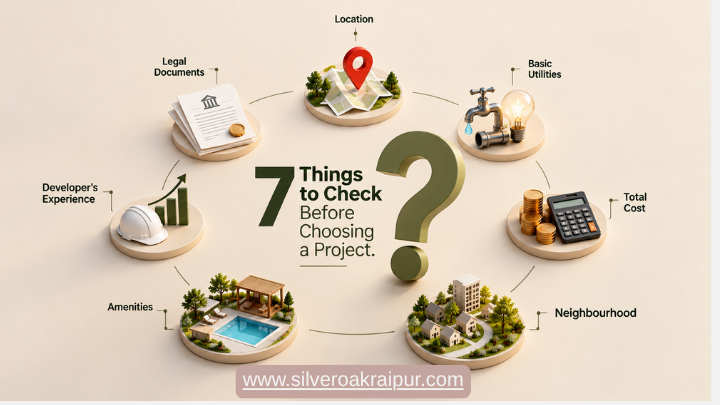
Before choosing a project, research the company and its background. Look for information about previous developments, completed projects, construction quality, and the way common facilities are maintained.
If possible, visit another completed project by the same developer. Observe the roads, infrastructure, common areas, and general maintenance.
During your discussions, notice how clearly the developer answers your questions. Are the property documents available for verification? Is the payment structure explained properly? Are the project specifications shared in writing?
Be cautious if you receive unclear answers or feel pressured to make an immediate booking.
Also, remember that a developer's experience does not replace independent legal verification. Always examine the documents and agreements relating to the property you intend to purchase.
Choosing a developer with a verifiable track record can help you make a more informed decision, but the final assessment should be based on the actual project.
8. What Should You Look for During a Property Site Visit?
A site visit should be more than a quick tour with a salesperson. It is your opportunity to check whether the property matches your expectations.
Before visiting, prepare a list of questions and carry your budget estimate.
During the visit:
Check the actual plot dimensions or bungalow layout.
Inspect the condition of internal roads and surrounding infrastructure.
Observe natural light and ventilation in completed homes.
Check parking arrangements and accessibility.
Ask about water supply and electricity.
Inspect available security arrangements.
Visit the common amenities and check whether they are operational.
Understand the maintenance charges and responsibilities.
Explore nearby roads and essential services.
If you are comparing multiple projects, use the same checklist for every visit. This makes it easier to compare them objectively.
Take photographs where permitted and make notes about anything that needs further clarification.
Most importantly, do not feel obligated to book a property during your first visit. Take time to review the information and discuss the decision with your family.
9. Should You Buy Property at the End of 2026 or Wait Until 2027?
Many buyers begin planning their property purchase towards the end of the year. Some want to finalise their finances, while others prefer to start the new year with a clear homebuying goal.
But is there a particular advantage to purchasing before the year ends?
There is no universal answer. Property prices, availability, payment plans, and market conditions vary from project to project. Waiting until 2027 does not automatically mean you will get a better deal, just as buying before the end of 2026 does not guarantee a financial advantage.
Instead of focusing only on the calendar, consider whether you are financially prepared and have identified a property that meets your requirements.
If you have already shortlisted a project, use the remaining time to verify its documents, compare costs, inspect the site, and understand the payment terms.
If you are still unsure about your budget or property requirements, it may be better to spend more time researching rather than rushing into a purchase.
A well-planned decision is more important than meeting an arbitrary deadline.
10. Make a Property Buying Checklist for 2027
Before you start contacting developers or visiting projects, create a simple checklist.
Financial preparation
Decide your maximum purchase budget.
Check your home loan eligibility, if required.
Calculate registration and additional costs.
Keep an emergency fund.
Property selection
Decide between a plot, apartment, and bungalow.
Identify your preferred location.
List your family's space requirements.
Compare the total cost of shortlisted properties.
Project verification
Review the ownership and approval documents.
Check the developer's background.
Inspect the infrastructure and amenities.
Understand the payment and possession terms.
Consult an independent property lawyer.
Having these details ready will make your property search more organised and help you avoid unnecessary confusion.
Conclusion: Explore Your Property Options With Silver Oak Raipur
Planning to buy property in Raipur in 2027? The best starting point is understanding what your family needs, how much you can comfortably spend, and which type of property suits your lifestyle.
Whether you are considering a residential plot or a ready bungalow, take time to evaluate the location, infrastructure, legal documentation, developer experience, and total ownership cost. A property purchase should be based on verified information and your actual requirements, not just attractive offers or promotional promises.
For homebuyers exploring residential options in Raipur, Silver Oak Raipur offers residential plots and bungalow options within its developed campus at Dhansuli, near Vidhan Sabha Road. The development features community facilities and infrastructure designed to support a comfortable residential environment.
If you are planning a purchase in 2027, consider visiting the campus, understanding the available property options, and discussing your requirements with the project team. Verify the current pricing, availability, specifications, applicable approvals, and payment terms independently before making a decision.
Remember, buying a home is not simply about finding a property within your budget. It is about choosing a place that works for your family, your finances, and your plans for the future.